




Whether it's indigestion after a big meal, menstrual cramps, a pulled muscle, or a vague ache you can't quite place, abdominal discomfort catches up with all of us sooner or later. And one of the oldest, simplest remedies still works beautifully: warmth. Placing a heating pad on your stomach can relax tense muscles and take the edge off the pain in minutes.
A quick note before we start: if your abdominal pain is constant, sharp, severe, or comes with fever or vomiting, skip the heating pad and see a medical professional. For the everyday aches, though, here's how heat helps—and how to use it well.
How a heating pad on your stomach works
Heat is more than just comforting. When you apply a warm heating pad to your belly, the warmth widens local blood vessels (a process called vasodilation), which increases blood flow to the area. Better circulation brings oxygen and nutrients that help tissue relax and recover, while the warmth soothes tight, cramping muscles.
There's also a neurological perk. Warmth stimulates the heat receptors in your skin, and those signals partly "crowd out" pain signals traveling to your brain—a mechanism often described as the gate control theory of pain. In plain terms: your body pays attention to the pleasant heat instead of the ache. That's why relief often kicks in within a few minutes of lying down with a heating pad on your stomach.
Heating pad for stomach pain and cramps
General stomach pain and cramping are where heat shines. Much of that discomfort comes from the smooth muscles of your abdomen contracting or tensing up. Heat encourages those muscles to loosen, easing the cramp and the dull, gripping feeling that comes with it.
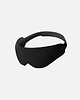
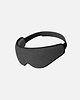
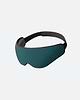
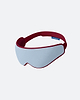
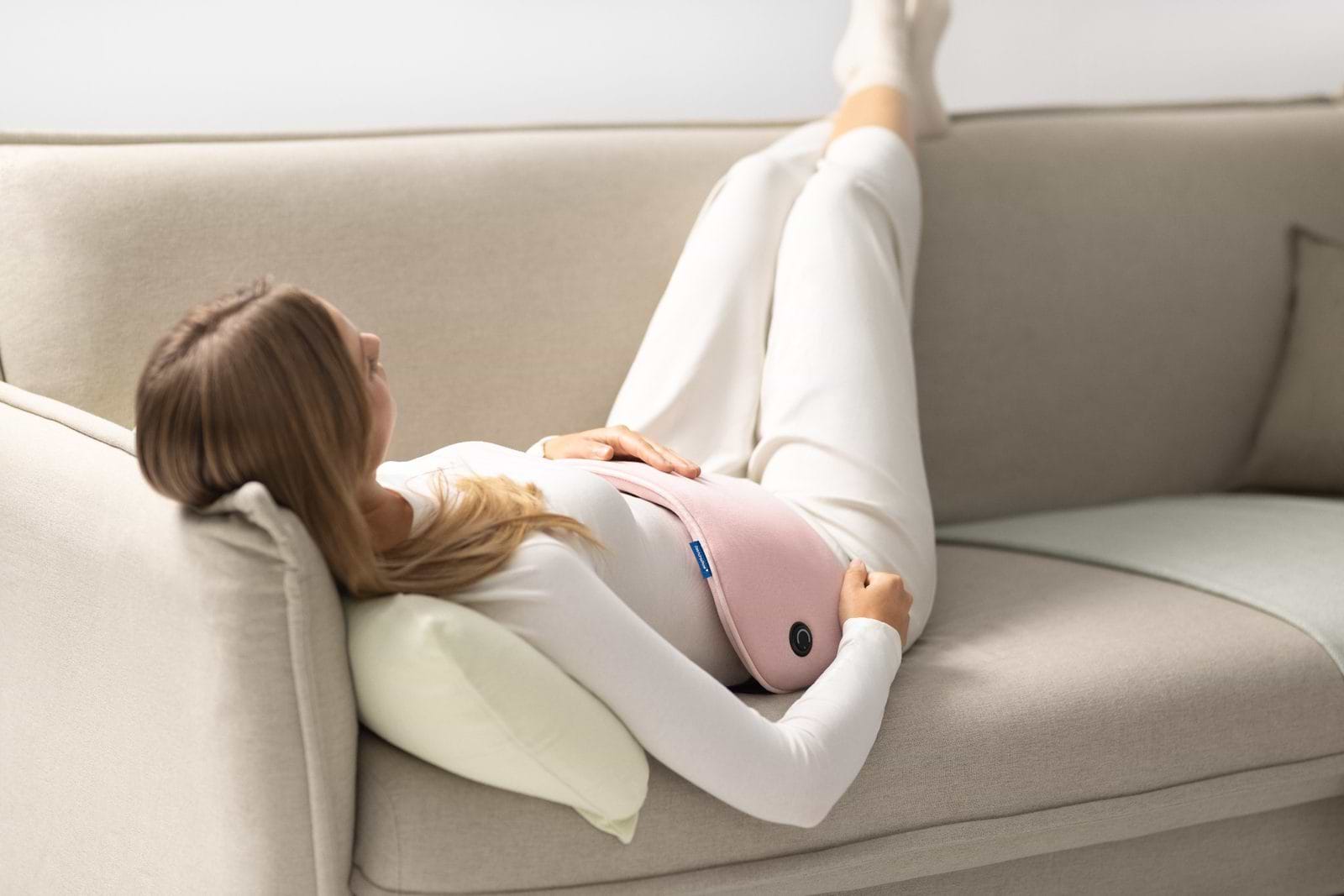
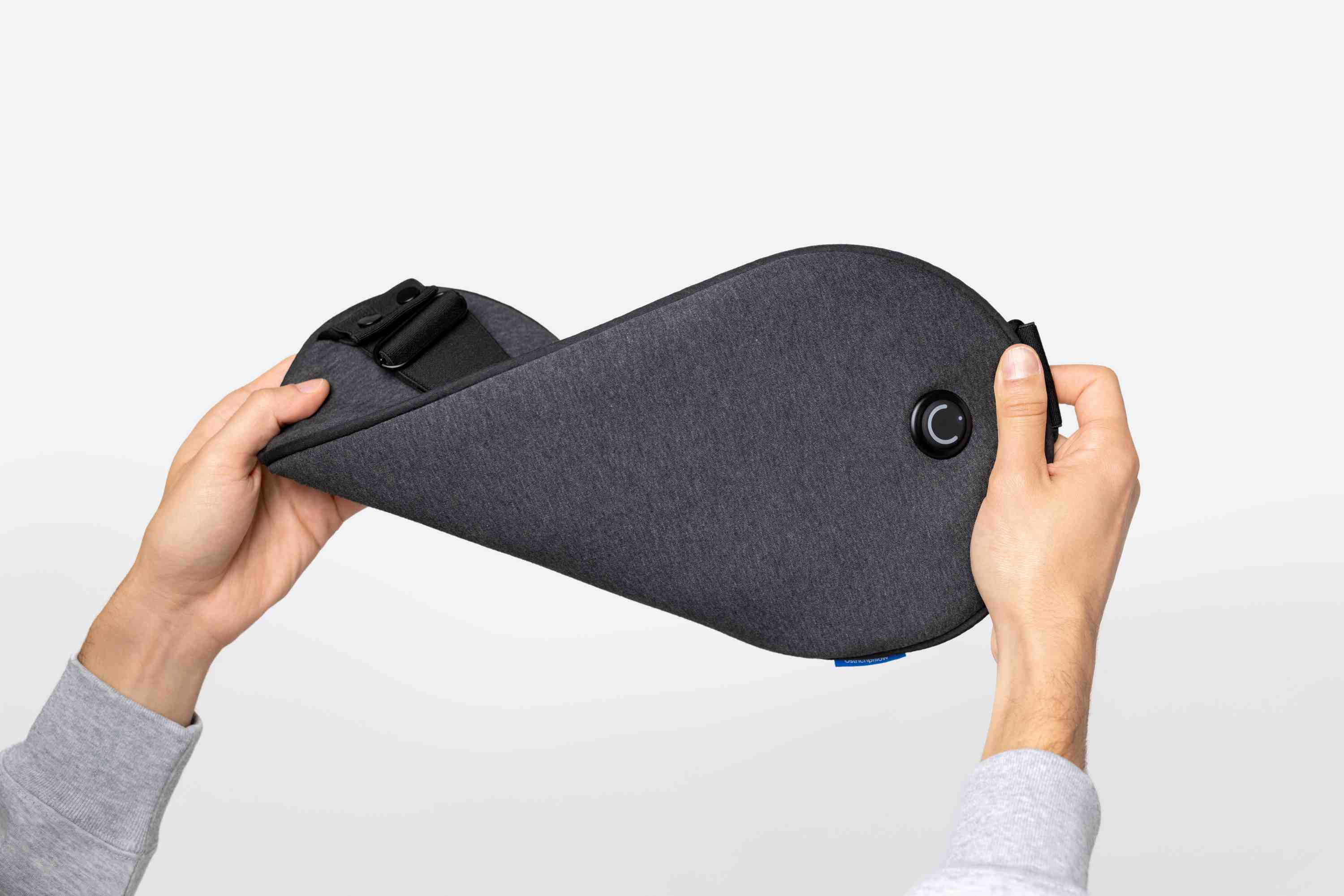
For the best effect, lie down somewhere comfortable, rest the heating pad over the spot that hurts, and give it 15–20 minutes. Relaxing your whole body, rather than tensing around the pain, lets the warmth do more of the work. A cordless, wearable option like Embrace Heating Pad makes this easier, since you can keep the heat on the exact spot while you move around or rest, instead of being tethered to a wall socket.
Heating pad for period cramps
Menstrual cramps are one of the most common reasons people reach for heat, and for good reason. Period pain is caused by the uterus contracting, and applied warmth helps those muscles relax while boosting blood flow to the lower abdomen. Research has even found that continuous low-level heat can be comparable to over-the-counter pain relievers for easing menstrual cramps.
To soothe period pain, place the heating pad low on your abdomen (or on your lower back, where cramps often radiate) at a comfortable, steady warmth. A wearable heating pad is especially handy here, because it keeps the heat exactly where you need it whether you're working, resting, or on the move.
Heating pad for indigestion, gas, and bloating
An upset stomach, trapped gas, and that tight, bloated feeling after eating can also respond well to heat. Warmth relaxes the muscles of your digestive tract and abdominal wall, which can help ease the pressure of bloating and encourage trapped gas to move along more comfortably.
If you're dealing with indigestion or bloating, rest a warm—not hot—heating pad on your stomach for 15–20 minutes, ideally while sitting up slightly or lying on your side. Gentle warmth paired with slow, deep breathing often brings noticeable relief.
Other aches heat can soothe
The same benefits extend beyond the belly. A heating pad can help with a strained abdominal or oblique muscle after exercise, lower-back tension that wraps around to the front, and general muscle soreness. As a rule of thumb: use heat for stiff, tense, or aching muscles, and reach for cold instead in the first day or two after an acute injury or when there's swelling.
How to use a heating pad on your stomach safely
Heat therapy is very safe when you follow a few simple rules:
- Keep sessions to 15–20 minutes. Longer isn't better and can increase the risk of skin irritation.
- Warm, not scorching. Use a low-to-medium setting. If it's uncomfortable to the touch, it's too hot.
- Add a layer. Use a thin cloth or clothing layer between the heating pad and your skin, and follow the manufacturer's instructions.
- Don't fall asleep with a heating pad. Prolonged contact while sleeping can cause burns, even on a low setting. Auto shut-off is an extra safeguard, not a reason to use it overnight.
- Skip it when heat isn't right: over a fresh injury with swelling, on numb skin, or with sharp, severe, or persistent pain. If you're pregnant or managing a medical condition, check with your doctor before applying heat to your abdomen.
A modern cordless option like Embrace Heating Pad is designed with this in mind—flexible, wearable, and equipped with adjustable heat levels—so you get targeted relief without the cord or the guesswork. You'll find it alongside our other soothing essentials in the relief collection.
Heating pad vs. hot water bottle vs. warm compress
All three deliver soothing heat, but they're not identical:
- Heating pad: the most consistent option. Electric models maintain a steady temperature and offer adjustable heat levels for the full 15–20 minutes, so the warmth doesn't fade halfway through.
- Hot water bottle: a great low-tech choice, but it cools gradually and can't be fine-tuned.
- Warm compress: a warm, damp cloth is handy in a pinch, but it loses heat quickly and needs frequent rewarming.
For repeat use, like period cramps or recurring stomach aches, a dedicated heating pad is usually the most convenient and reliable.