



















How to Choose a Neck Pillow for Better Sleep & Travel
Neck support is one of the most overlooked parts of resting well. We fuss over mattresses and skincare routines, yet the pillow holding up our head for a third of our lives barely gets a thought. That's a mistake, because a poor position at night or on the go puts strain on your neck.
Over time, that discomfort can spread down the spine and affect the quality of your sleep. The good news: the right neck pillow prevents most of it. Here's how to choose one that actually keeps your head supported.
Why neck support matters (and what happens without it)
When you're resting, your neck should stay in line with the rest of your spine in a neutral, unstrained position. The wrong pillow breaks that alignment. Too flat and your head drops back. Too high or too firm and your neck bends forward all night. Either way, the muscles and joints work overtime instead of recovering, and you wake up stiff, sore, or groggy.
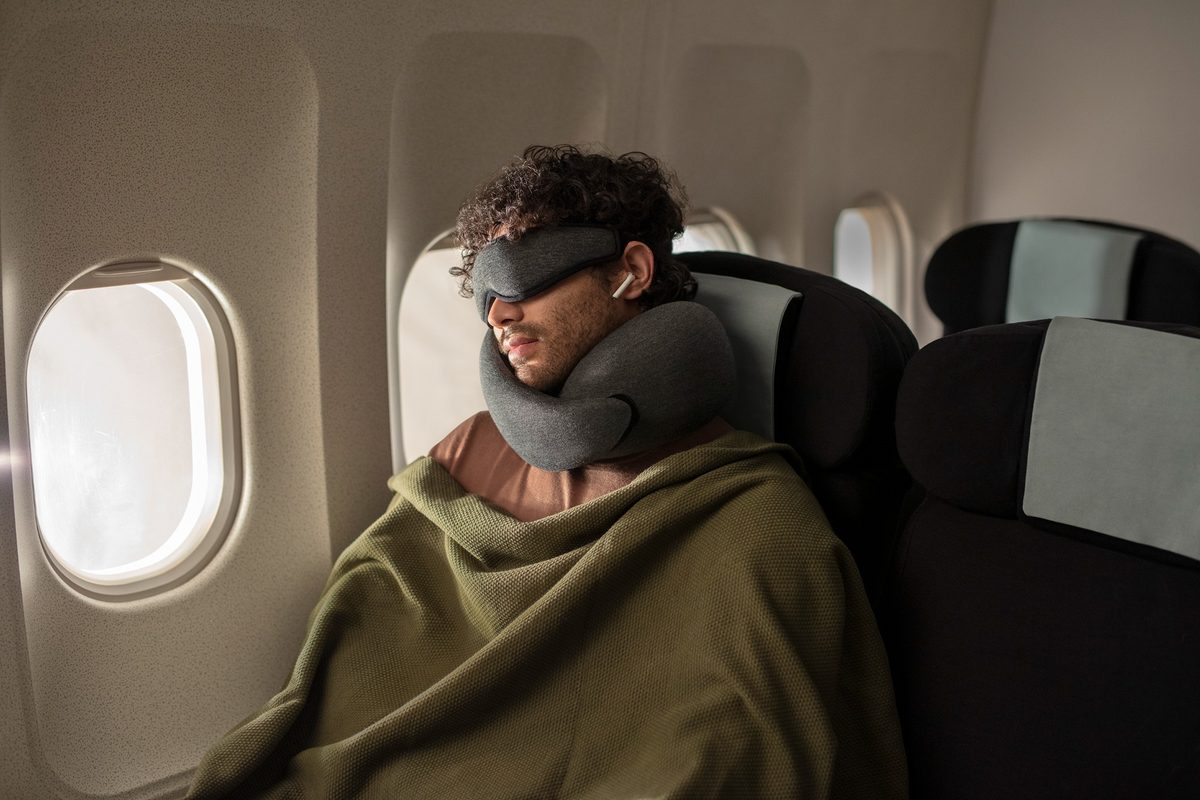
Travel makes it worse. Sitting upright, your head has nothing to lean on, so it tips forward or sideways every time you doze. This classic "head bobbing" jolts you awake and leaves your neck aching by the time you land. A proper neck pillow gives your head something to rest against, so the muscles can finally switch off.
What to look for in a neck pillow
A few features separate a pillow that helps from one that just takes up space:
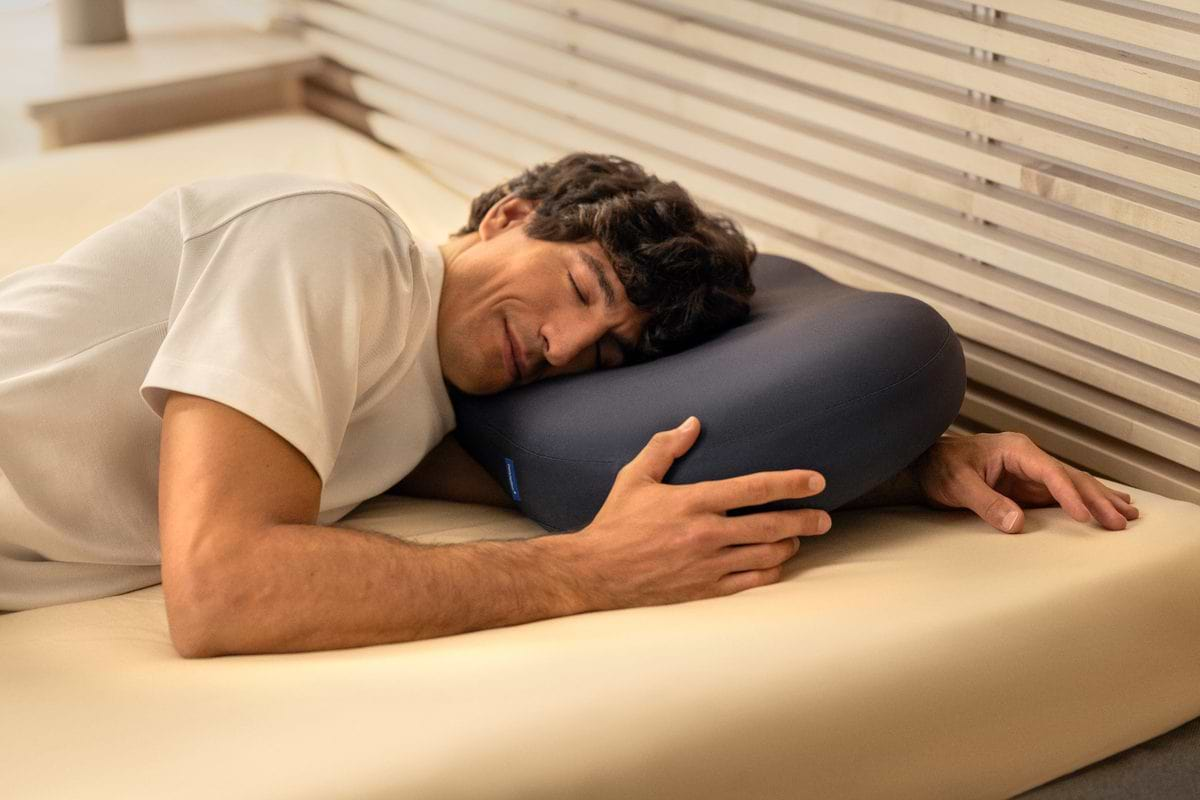
- The right shape for the job. For bed, a contoured or cervical pillow cradles the natural curve of your neck. For travel, a wraparound design supports your head from the sides so it can't fall forward.
- Supportive but not stiff. The goal is to keep your head aligned with your spine, neither sinking too low nor propped too high. Memory foam is ideal here because it contours to your shape and holds it, rather than flattening out like loose fiber fill.
- Breathable, washable materials. You're pressed against it for hours, so look for breathable fabric and a removable, washable cover.
- Packability, for travel. A travel neck pillow should be easy to carry and quick to pack away without losing its support.
How to rest your neck in bed
Your ideal setup depends on how you sleep:
- Back sleepers need a medium loft that supports the natural curve of the neck without pushing the head forward.
- Side sleepers need a little more height and firmness to fill the gap between the shoulder and the neck, keeping the spine level.
- Stomach sleepers put the most strain on the neck. If you sleep this way, use the thinnest pillow possible, or try shifting toward your side to protect your neck over time.
If you often wake with a stiff neck, it's usually a sign your pillow height or firmness doesn't match your sleep position.
How to rest your neck when traveling
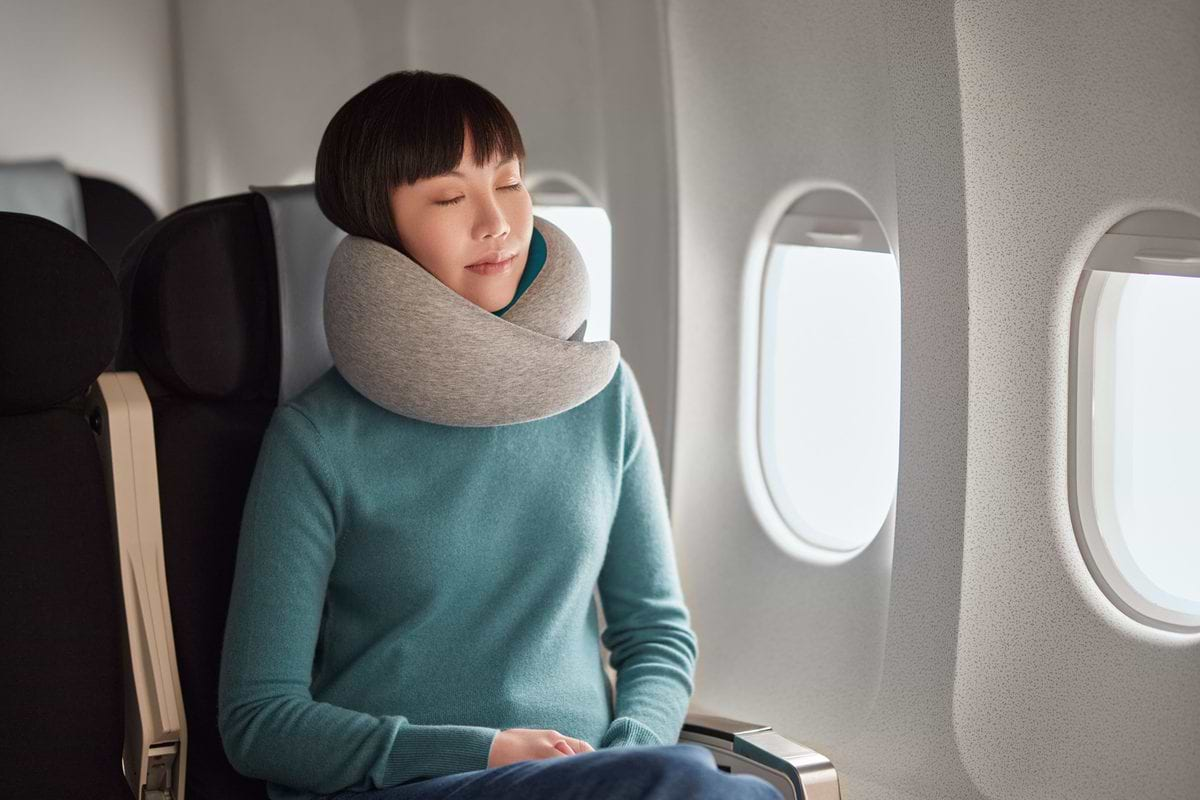
Long flights, road trips, and train journeys are where a dedicated travel pillow earns its place. The key is stopping your head from dropping forward. A supportive, wraparound travel pillow keeps your head centered and your neck aligned, so you can actually rest instead of fighting the bobbing.
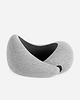
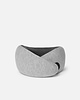
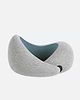
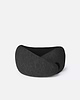
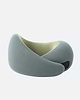
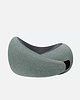
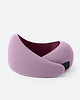
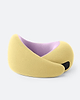
Memory foam makes a real difference on the move: it holds your head in place rather than compressing flat after a few minutes, and it adapts as you shift position. Our memory foam travel neck pillow was built for exactly this. Its 360° support keeps your head supported from any angle. You'll find it alongside our full range in the travel pillows collection.
Frequently asked questions
Are neck pillows good for you?
Yes, when they fit your sleep position or travel needs. A well-chosen neck pillow keeps your head aligned with your spine, which reduces strain and helps you rest more comfortably. The wrong height or firmness, however, can do the opposite. Fit matters.
Do neck pillows help with neck pain?
They can help prevent the everyday stiffness that comes from poor positioning at night or head bobbing while traveling. For persistent or severe neck pain, it's best to check with a healthcare professional.
What neck pillow shape is best?
It depends on the use: a contoured or cervical shape works best in bed, while a wraparound design is best for travel because it supports your head from the sides and stops it from falling forward.
Are travel neck pillows worth it?
If you travel regularly, yes. A supportive travel pillow, especially one made with memory foam, keeps your head from dropping forward on planes, trains, and car rides, so you arrive far less stiff and tired.
Your neck does a lot of quiet work. The least you can do is give it proper support. Choose a pillow that matches how you sleep and travel, and you'll feel the difference in both your rest and your mornings.
Ready to travel comfortably? Meet Go Neck Pillow.