




When you reach for heat to ease period cramps, a tense lower back, or tired muscles, you have several options. Cordless heating pads, microwavable heat wraps, and hot water bottles all provide warmth. But each one fits into your day a little differently.
Some are made for staying put. Others let you keep moving. Some need to be reheated or refilled, while others maintain a more consistent temperature.
So, rather than asking which one is best, it helps to ask a different question: which one works best for your needs?
Key takeaways
✓ Cordless heating pads offer controlled, consistent heat without keeping you close to an outlet, and some designs can be worn on the go.
✓ Microwavable heat wraps are simple and convenient for use at home, but gradually cool and need to be reheated.
✓ Hot water bottles are an affordable, familiar option for staying warm while you rest, but need to be refilled and cool over time.
✓ The right choice depends on where, when, and how you want to use heat.
Three Ways to Use Heat Therapy
Cordless heating pads, microwavable heat wraps, and hot water bottles all deliver warmth in different ways. Here’s how they compare.
| Cordless heating pad | Microwavable heat wrap | Hot water bottle | |
|---|---|---|---|
| Heat | Consistent while powered | Gradually cools | Gradually cools |
| Adjustable | Often | No | No |
| Preparation | Charge | Microwave | Hot water |
| Portable | Yes | Limited | Limited |
| Wearable | Some models | Some designs | Generally no |
| Best for | Mobility & regular use | Simple at-home use | Simple at-home comfort |
Cordless heating pads
Cordless heating pads use a rechargeable battery to generate heat, so they don't need to stay plugged into an outlet while in use. Many offer different temperature settings, letting you adjust the level of warmth to your preference.
Depending on the design, they can also be worn or secured around the body. This makes them a practical choice when you want to use heat without having to stay in one place.
Microwavable heat wraps
Microwavable heat wraps are typically filled with materials such as flaxseed, wheat, or other grains that retain heat after being warmed in a microwave.
They don't require batteries or charging and are easy to use at home. Once heated, however, they gradually cool down and need to go back in the microwave before you can warm them up again.
Hot water bottles
Hot water bottles provide heat in the simplest way: fill with hot water, close it securely, and place it where you want warmth.
They're affordable, reusable, and don't require charging or a microwave. Like microwavable wraps, they gradually cool as you use them. They also require extra care when filling and using them with hot water.
Comfort, Convenience, and Everyday Use
How heat is delivered is only part of the picture. There’s also the question of how easy each option is to use—and what you can do while using it.
Which provides the most consistent heat?
Hot water bottles and microwavable heat wraps are hottest when you first prepare them, then gradually cool over time.
Cordless heating pads generate heat throughout use, allowing them to maintain a more consistent temperature until the battery runs out or the device switches off. Models with adjustable heat settings also let you choose your preferred temperature.
Which is easiest to use?
It depends on what you have nearby.
- Hot water bottles need access to hot water and must be filled before each use.
- Microwavable heat wraps can be ready in minutes, but you need access to a microwave.
- Cordless heating pads need to be charged, but once the battery is ready, you can switch them on whenever you need warmth.
If you use heat regularly, having a cordless option charged and ready can mean less preparation each time.
Which is best for use on the go?
Hot water bottles and microwavable wraps are generally better suited to places where you have access to hot water or a microwave.
Cordless heating pads don't need either. And if the heating pad is wearable, you can use it without having to hold it in place, whether you're at your desk, moving around the house, or away from home.
For anyone who wants warmth without having to stop what they're doing, this can make a big difference.
Meet Embrace: Warmth That Moves With You
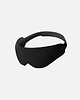
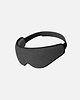
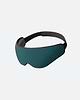
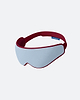
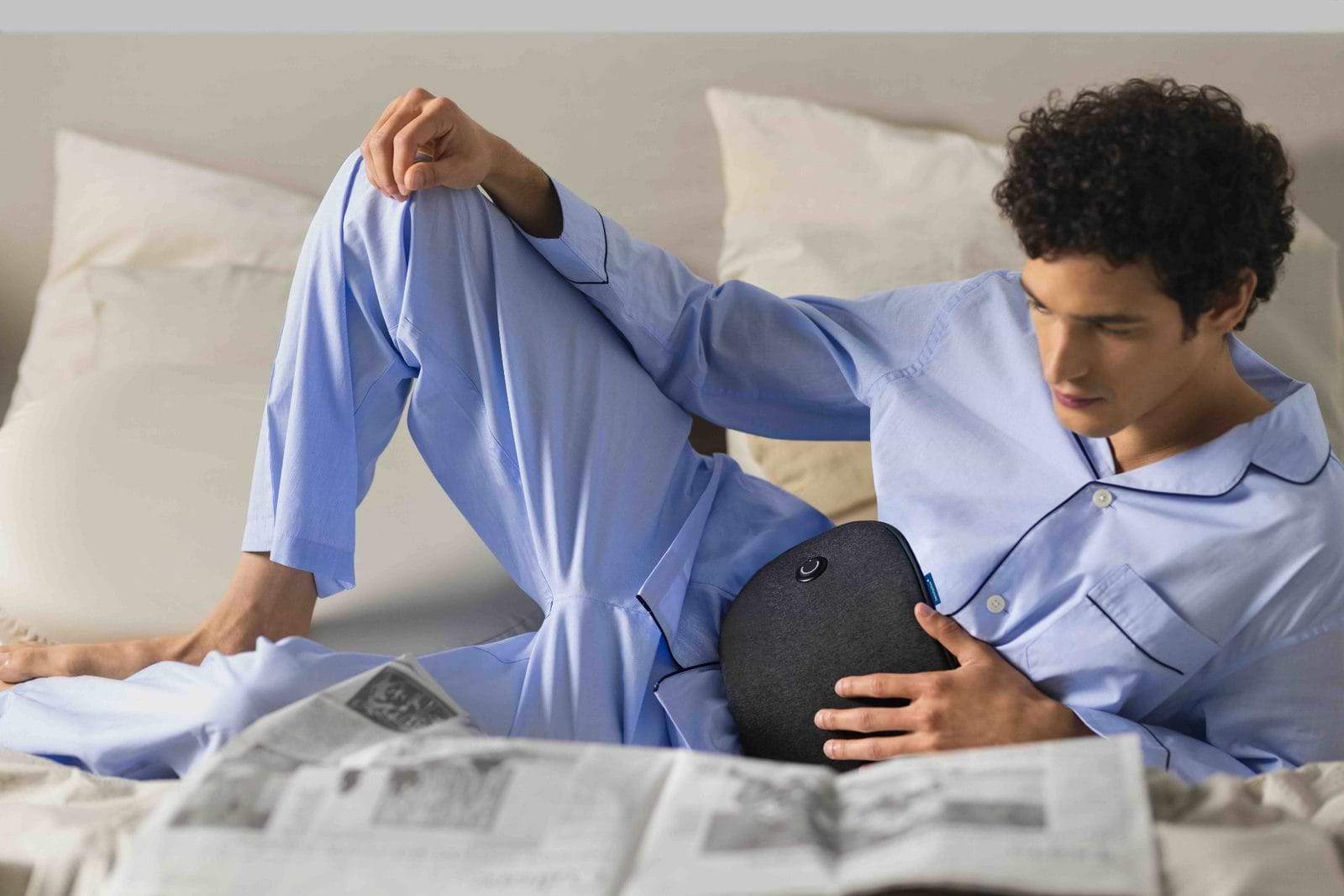
Traditional heat therapy often means staying in one place. Embrace Heating Pad is designed to move with you.
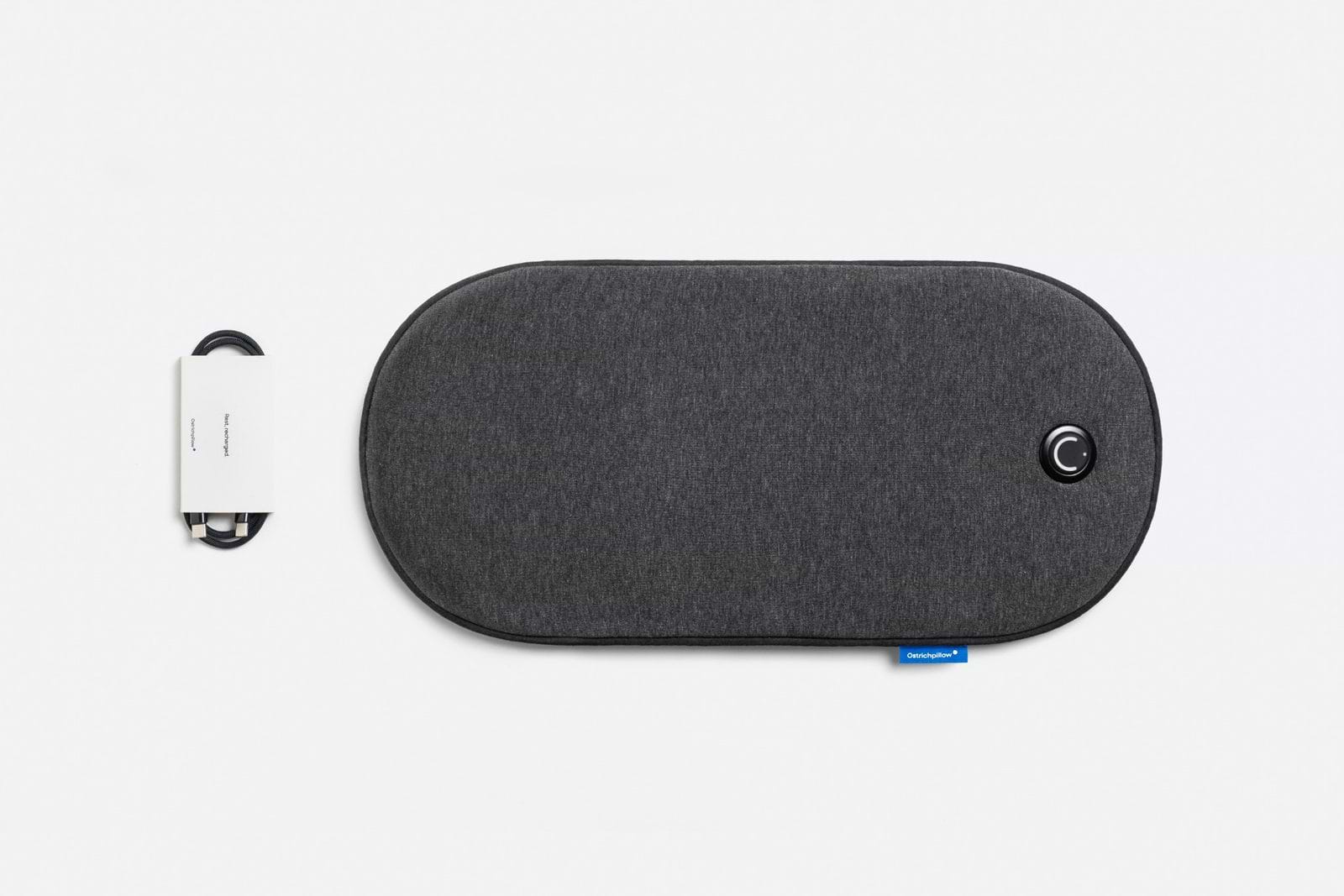
Its flexible, ergonomic shape wraps comfortably around the body, while a rechargeable battery provides cordless warmth. Choose from three heat levels to find the temperature that feels right for you.
Lightweight and wearable, Embrace lets you keep warmth close while you work, relax, or move through your day.
Which Heat Therapy Works Best for Different Needs?
The right choice can also depend on why you're reaching for heat in the first place. Here's how each option fits into a few everyday situations.
For period cramps
Warmth can be comforting when you're dealing with period cramps. If you're resting in bed or on the couch, a hot water bottle or microwavable heat wrap can work well.
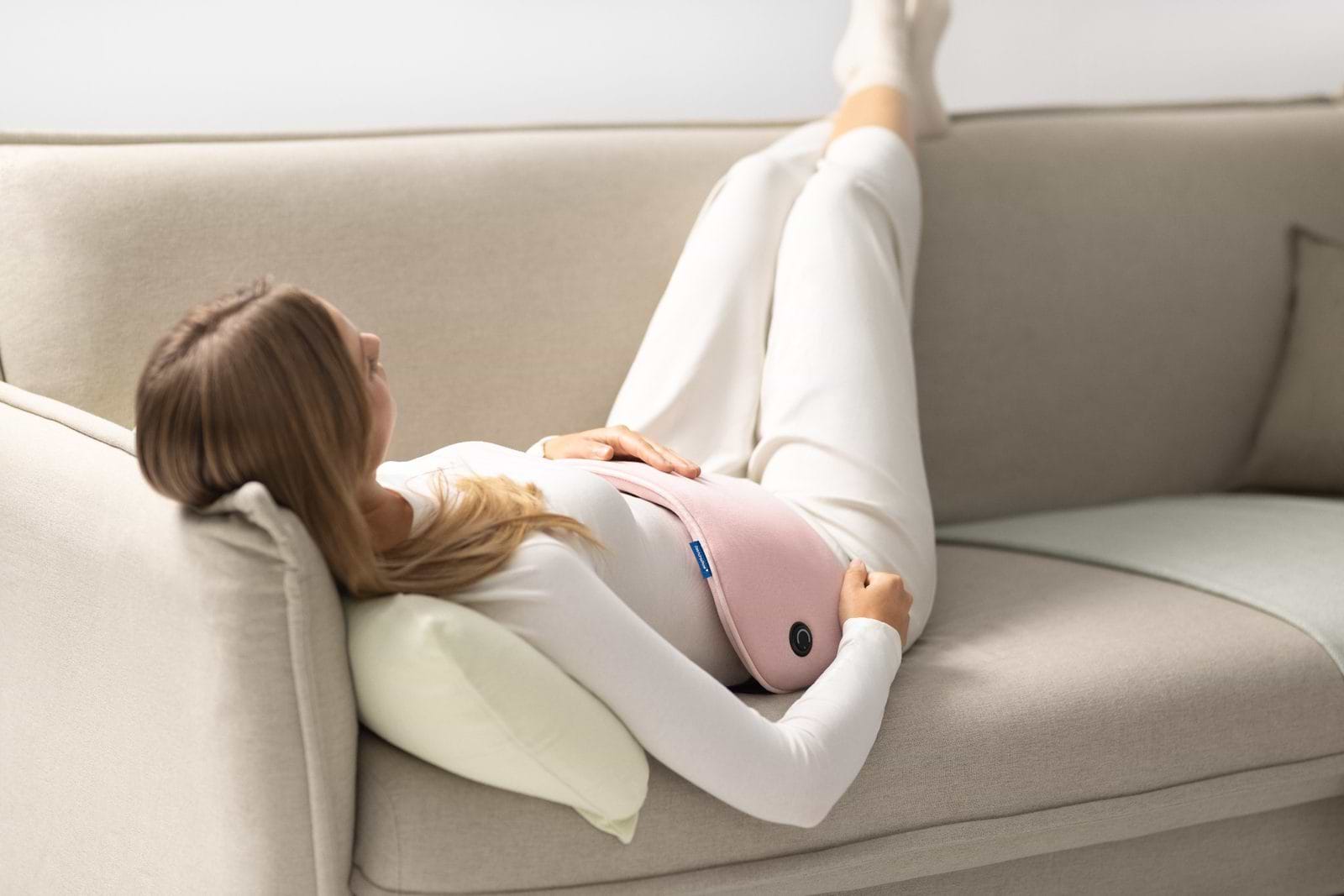
If you want warmth while you work, walk around, or get on with your day, a wearable cordless heating pad gives you more freedom to move.
For back tension
For a tense lower back, keeping your heat source comfortably in place can make a difference.
Hot water bottles and microwavable wraps are practical when you're sitting or lying down. A wearable heating pad can be easier to use when you want to change positions or move around without having to hold it in place.
For muscle tension
After exercise or a long day at your desk, all three options can provide welcome warmth to tired, tense muscles.
The main difference is convenience: choose a hot water bottle or heat wrap when you're ready to stay put, or a wearable cordless heating pad when you want to keep moving.
For working at your desk
If you want to use heat while you work, a wearable option has a clear advantage. It stays with you without taking up your hands or needing to be repositioned every time you move.
A cordless heating pad also means you don't need to sit near an outlet or interrupt your work to reheat or refill it.
For relaxing at home
When you're settling in for the evening, there's no wrong answer.
A hot water bottle offers simple, traditional warmth. A microwavable wrap is quick to prepare. And a cordless heating pad gives you adjustable heat without having to get up and reheat or refill it.
Here, the best choice really comes down to what feels most comfortable and convenient for you.
Which Option Is Right for You?
Still deciding? Think about when, where, and how you plan to use heat.
Choose a cordless heating pad if...
- You want consistent, adjustable heat.
- You want to use heat while working, relaxing, or moving around.
- You don't always have access to hot water or a microwave.
- You use heat regularly and want an option that's rechargeable and ready to use.
- You prefer a wearable design that stays in place.
Choose a microwavable heat wrap if...
- You mainly use heat while relaxing at home.
- You have easy access to a microwave.
- You don't mind reheating your wrap when it cools.
- You want something simple that doesn't need to be charged.
Choose a hot water bottle if...
- You want a simple, affordable option.
- You mainly use heat in bed or on the couch.
- You don't need adjustable temperature settings.
- You don't mind refilling it when you want more warmth.
There isn't one right choice for everyone. The best option is the one that gives you the warmth you want, where and when you want it.
Frequently Asked Questions
Is a cordless heating pad better than a hot water bottle?
It depends on how you want to use it. A hot water bottle is a simple, affordable choice when you're resting at home. A cordless heating pad is more convenient if you want adjustable heat, a more consistent temperature, or the freedom to move around while using it.
Are microwavable heat wraps safe to use every day?
Microwavable heat wraps should always be used according to the manufacturer's instructions, including guidance on heating times and frequency of use. Avoid overheating them, and check the wrap regularly for signs of damage or wear.
How long does a cordless heating pad stay warm?
It depends on the product, battery capacity, and heat setting. Unlike hot water bottles and microwavable wraps, which gradually cool after they're prepared, cordless heating pads generate heat while they're switched on. Always check the manufacturer's specifications for expected battery life and recommended usage time.
Which heat therapy is best for period cramps?
Heat is commonly used for comfort during period cramps, but the right option depends on how you want to use it. A hot water bottle or microwavable wrap can be a good choice when you're resting, while a wearable cordless heating pad lets you use warmth while you work or move around.
Can you use a cordless heating pad while working?
Yes, if the product is designed for wearable use. A wearable cordless heating pad can stay in place while you sit at your desk or move around, without needing to be held or plugged into an outlet. Always follow the manufacturer's instructions for use.
Finding the Right Kind of Warmth
Hot water bottles, microwavable heat wraps, and cordless heating pads can all bring comfort. The right choice depends on whether you want to stay put or take adjustable warmth with you.
Choose the option that makes it easiest to pause, get comfortable, and carry on when you’re ready.