

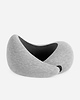
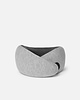
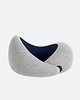
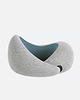
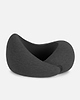
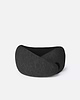
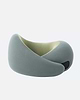
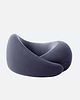
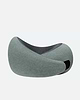
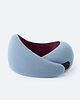
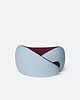
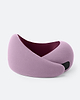
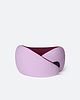
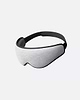
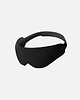
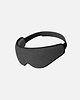
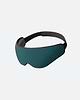
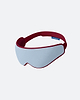



Choosing between a contoured vs flat sleep mask involves more than personal preference. The design can affect how much light enters around the nose and cheeks, how much pressure rests on your eyes, and whether the mask stays in place as you change sleeping positions.
In this guide, we compare contoured and flat sleep masks to see which offers better blackout performance, greater comfort for side sleepers, and a more practical fit for travel.
If you already know you prefer a contoured, pressure-free design and want to explore its materials, features, and specifications, discover the Ostrichpillow Eye Mask.
Key Takeaways
- Contoured sleep masks generally offer better blackout potential by creating a closer seal around the nose and cheeks.
- 3D eye cups reduce pressure on the eyes and eyelashes, leaving room to blink naturally.
- Flat sleep masks are thinner and more minimal, but blackout performance depends more on fabric contact and strap tension.
- Fit matters more than shape. The best blackout sleep mask stays close to your face without feeling tight.
- For side sleepers, flexibility is key: low-profile sides and soft edges help maintain a seal against the pillow.
Why does blocking light matter for sleep?
Light is one of the main environmental cues regulating our circadian rhythm, the internal clock that helps determine when we feel awake and when we feel ready for sleep.
That’s why creating a dark sleep environment can make rest easier, whether you’re at home, trying to nap during the day, or settling in for a long flight.
Blackout curtains can help control your bedroom environment. A blackout sleep mask offers a more portable alternative, creating darkness directly around your eyes wherever you happen to be.
Simply covering your eyes isn’t enough, though. A good sleep mask also needs to block light from slipping in around the edges.
What is a flat sleep mask?
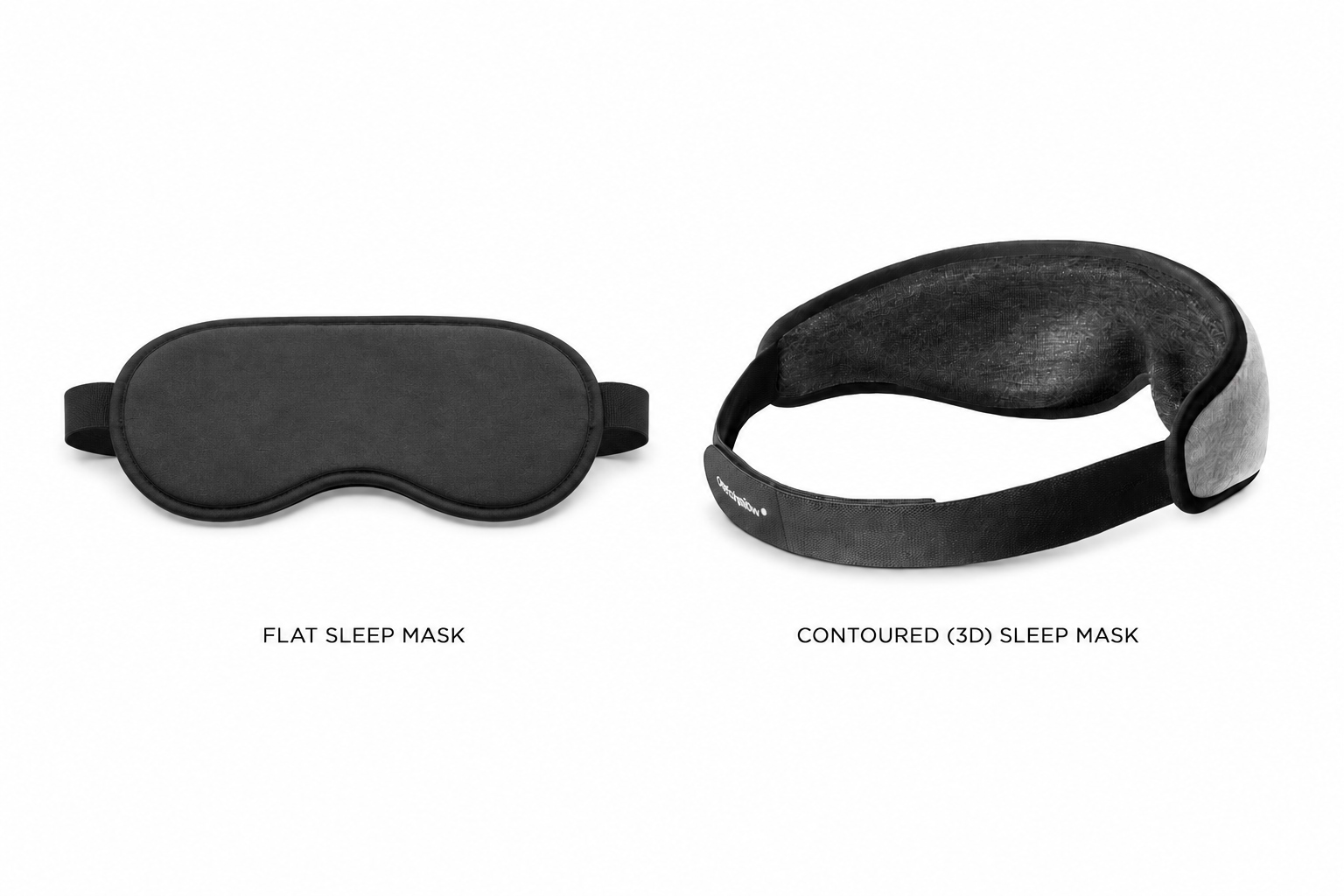
A flat sleep mask is the traditional design most of us picture: a soft piece of fabric that sits directly over the eyes and is held in place with a strap.
Simple, lightweight, and easy to pack, it’s the classic style often handed out on planes or found in hotel amenity kits.
Flat masks rely largely on flexible fabric and strap tension to follow the contours of the face. When the size and shape work for you, they can block light effectively.
But because the fabric sits directly against the eye area, some flat masks can:
- Put pressure on the eyes or eyelashes
- Leave gaps around the nose
- Shift when you change sleeping position
- Require more strap tension to stay securely in place
- Let light enter around the cheeks or temples
That doesn’t mean a flat sleep mask can’t provide good blackout. A soft, flexible mask with enough coverage and a well-shaped nose area can perform very well.
However, its effectiveness depends more heavily on how the fabric sits against your particular face.
What is a contoured or 3D sleep mask?
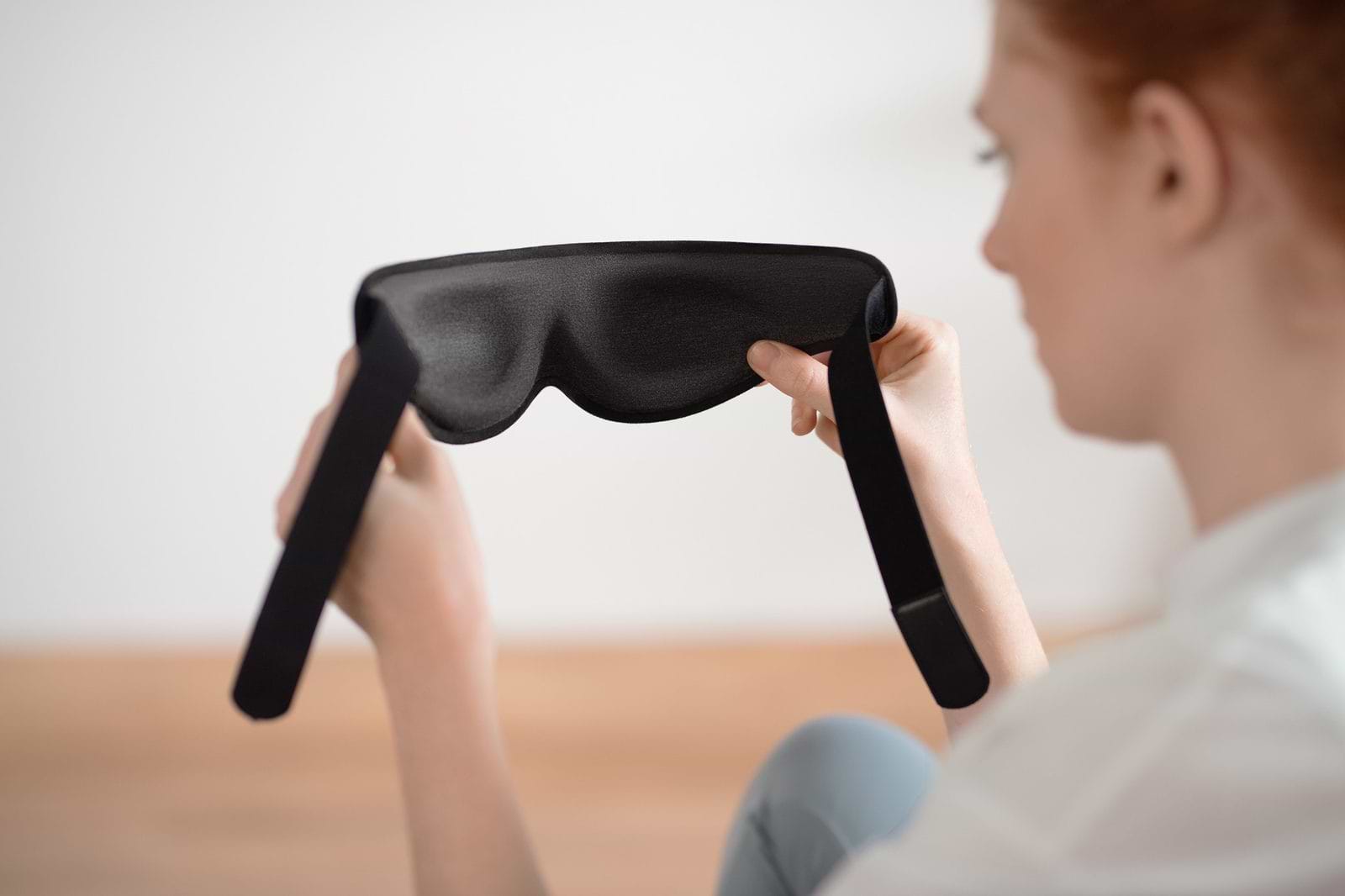
A contoured sleep mask is designed to follow the natural curves of your face rather than lying flat against it. You’ll also often see this style described as a 3D sleep mask.
Typically, a contoured mask has recessed eye cups, while the surrounding material rests against the forehead, cheekbones, and nose.
A well-designed contoured sleep mask:
- Keeps pressure away from the eyes and eyelashes
- Follows the shape of the face more closely
- Creates a better seal around the nose
- Stays secure without excessive strap tension
- Leaves enough space to blink comfortably
The important part is well-designed.
A contoured mask that is too rigid or bulky can still leave gaps or shift as you move. A 3D shape alone doesn’t guarantee blackout. The contours need to work with the shape of the face.
Contoured vs flat sleep mask: Which blocks more light?
Generally, a contoured mask has greater blackout potential because its three-dimensional structure can follow the different contours of the face while keeping pressure away from the eyes.
But there’s no universal winner.
The sleep mask that creates the closest, most comfortable seal around your nose, cheeks, forehead, and temples will block the most light.
A poorly fitting contoured mask can let in more light than a flexible flat one. Likewise, a flat mask may provide excellent coverage when you first put it on, only to shift when you turn onto your side.
Four factors make the biggest difference.
1. The nose bridge
The nose is one of the hardest areas for a sleep mask to cover completely.
Because the nose sits higher than the eyes and cheeks, it can leave a small gap under the mask. If the lower edge doesn’t fit closely around the nose, light may enter from below.
Flat masks can reduce this gap with stretchy fabric, soft padding, or a shaped nose section.
Contoured masks are designed with more space around the eyes, so they can curve around the nose without pressing tightly against the face. This may help block more light, especially when the mask has a soft, flexible nose bridge.
2. The seal around the face
Blackout is about more than covering your eyes.
A sleep mask also needs to sit closely around the forehead, cheekbones, nose, and temples. Even a small gap can become noticeable in a bright bedroom or when sunlight starts streaming through a plane window.
Contoured masks can create this contact around the eye area while leaving space over the eyelids.
Flat masks create the seal by sitting directly against the skin. This can work well too, although some people may find the additional contact less comfortable over longer periods.
3. Strap adjustment
A sleep mask should feel secure, not tight.
When light enters around the edges, it can be tempting to simply tighten the strap. But more tension doesn’t necessarily mean better blackout. And it can even make the mask feel less comfortable.
An adjustable strap allows you to find a fit that keeps the mask in place without unnecessary pressure. This matters for both flat and contoured designs because head shape, face shape, hairstyles, and comfort preferences all vary.
The goal is enough tension to keep the mask secure, but not so much that you spend the night thinking about it.
4. Materials and construction
Black fabric isn’t necessarily blackout fabric.
Light can pass through thin materials even when the mask fits closely, which is why effective blackout sleep masks often use multiple layers or an opaque internal structure.
At the same time, more material shouldn’t automatically mean more bulk or heat. Soft, breathable materials can make a significant difference when you’re wearing a mask for an entire night or a long journey.
Ultimately, blackout comes from two things working together: light-blocking materials and a close facial seal.
Does a contoured sleep mask put less pressure on the eyes?
That’s one of the main advantages of a contoured design.
The concave eye areas are designed to create space around the eyelids, transferring contact to the surrounding areas of the face instead.
This may be more comfortable if you:
- Dislike fabric touching your eyelids
- Have long eyelashes or eyelash extensions
- Want space to blink naturally
- Prefer to open your eyes while wearing a mask
- Are sensitive to pressure around the eye area
A flat mask can still feel very soft, particularly when made from smooth materials such as silk. But because the material sits directly over the eyelids, comfort depends more on the fabric and strap tension.
In other words, soft and pressure-free aren’t necessarily the same thing.
Which sleep mask is better for side sleepers?
Side sleeping puts any sleep mask to the test.
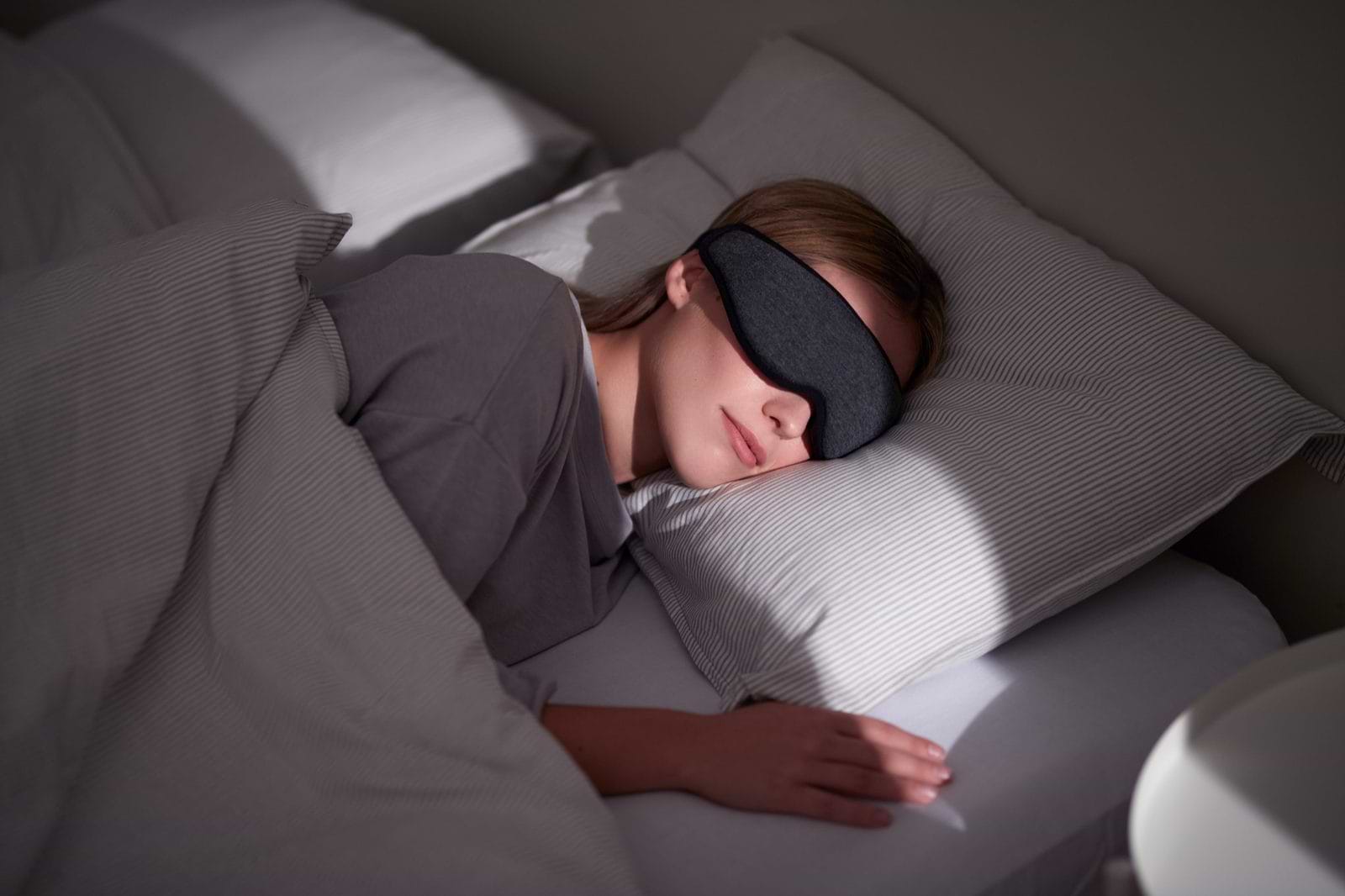
As the side of your face presses into the pillow, the mask can be pushed upward or sideways, breaking the seal around the nose or temples.
Flat masks have an advantage here: they tend to be thin and low-profile. But flexible fabric can also wrinkle or shift as you move.
A contoured mask can work well for side sleepers when it combines its 3D structure with:
- Flexible, low-profile sides
- Soft edges around the temples
- Eye cups that provide space without excessive bulk
- A strap that sits comfortably against the back of the head
- A shape that stays close to the face as you move
The key isn’t simply choosing flat or contoured. It’s finding a mask that maintains its fit when your face meets the pillow.
What about sleeping on a plane or train?
Travel gives a sleep mask a particularly difficult job.
Cabin lights change. Screens glow. Sunlight comes through the windows. And unlike at home, you can’t simply close the curtains and control your environment.
That makes both blackout and long-term comfort especially important.
A contoured mask can be useful for travel because it creates darkness without requiring fabric to sit directly against the eyes for hours. It can also work well alongside a neck pillow when you’re resting upright.
Flat masks have their own travel advantage: their minimal construction makes them especially easy to fold or slip into a pocket.
Whichever style you choose, look for a mask that stays comfortably in place as your head moves and can create darkness without needing excessive strap tension.
For more ways to rest on an overnight journey, read our guide to getting the most out of a red-eye flight.
How to tell if a sleep mask is truly blackout
Product descriptions can tell you a lot about a sleep mask. Your face tells you the rest.
To test the fit:
- Put the mask on in a well-lit room.
- Adjust the strap until it feels secure but comfortable.
- Keep your eyes open underneath it.
- Look down toward your nose, then from side to side.
- Lie on your back, then turn onto each side.
- Move your head as you normally would during sleep.
- Notice whether light appears around your nose, cheeks, or temples.
Don’t test blackout only while sitting perfectly still.
A mask can feel completely dark until you turn onto your side and change the seal. The better test is whether it stays dark as you move naturally.
And give it a few minutes. Pressure that feels insignificant when you first put a mask on can become much more noticeable over time.
Flat or contoured: Which one should you choose?
Neither design is automatically right for everyone.
A flat sleep mask may suit you better if:
- You like the feeling of soft fabric over your eyes
- You want an especially thin, lightweight design
- Traditional sleep masks already fit your face well
- You prioritize minimal bulk when packing
A contoured sleep mask may suit you better if:
- Light tends to sneak in around your nose
- You want greater blackout potential
- You dislike pressure on your eyes or eyelashes
- You change sleeping positions during the night
- You regularly sleep on flights or during the day
- You want enough space to blink or open your eyes underneath the mask
Ultimately, the distinction between contoured vs flat sleep masks matters less than finding a design that works with your face rather than against it.
Frequently asked questions
Are 3D sleep masks always better than flat masks?
No. A 3D sleep mask creates more space around the eyes and can help improve the facial seal, but only when its shape fits your face properly. A poorly fitting contoured mask may leave more gaps than a soft, flexible flat one.
Should a blackout sleep mask feel tight?
No. A blackout sleep mask should feel secure enough to stay in place without creating uncomfortable pressure around your eyes, temples, or head. If you have to overtighten a mask to keep light out, the shape or fit may not be right for you.
Can I use a contoured sleep mask for naps?
Absolutely. A contoured sleep mask can be especially useful for daytime naps, when there’s often more ambient light to block.
Just remember that darkness is only one part of a good nap. Duration and timing matter too. If you regularly wake up feeling worse than when you go to sleep, our guide to headaches after naps explores a few possible reasons why.
So, contoured or flat?
If your priority is blocking as much light as possible without putting pressure on your eyes, a well-designed contoured mask generally has the advantage.
Its three-dimensional structure can help create a closer seal around tricky areas like the nose and cheeks while leaving the eyelids free.
But the best sleep mask isn’t simply the one labeled “3D” or “blackout.”
It’s the one that fits your face closely, stays comfortable as you move, and lets you forget there’s anything between you and the dark.
Ostrichpillow Eye Mask combines six lightweight layers with a 3D ergonomic design that adapts to different facial features, creating complete darkness without pressure on the eyes.
For sleep, travel, or simply a few quiet minutes with the lights out.